
"It is said that during our twenties we spend our time worrying about what other people think . In our thirties, we blame our parents for all our problems. In our forties, we finally realise that no one was really paying us that much attention and all our issues aren’t our parent’s fault after all." ~ Stuart Farramond
I would add that in our fifties we make peace with our God and ourselves and become more comfortable in who we are- and less tactful in our opinions which turns to bitterness when we are ignored. As our health begins to decline and infirmity increases we realize the things undone and become aware that there are fewer days ahead than behind.
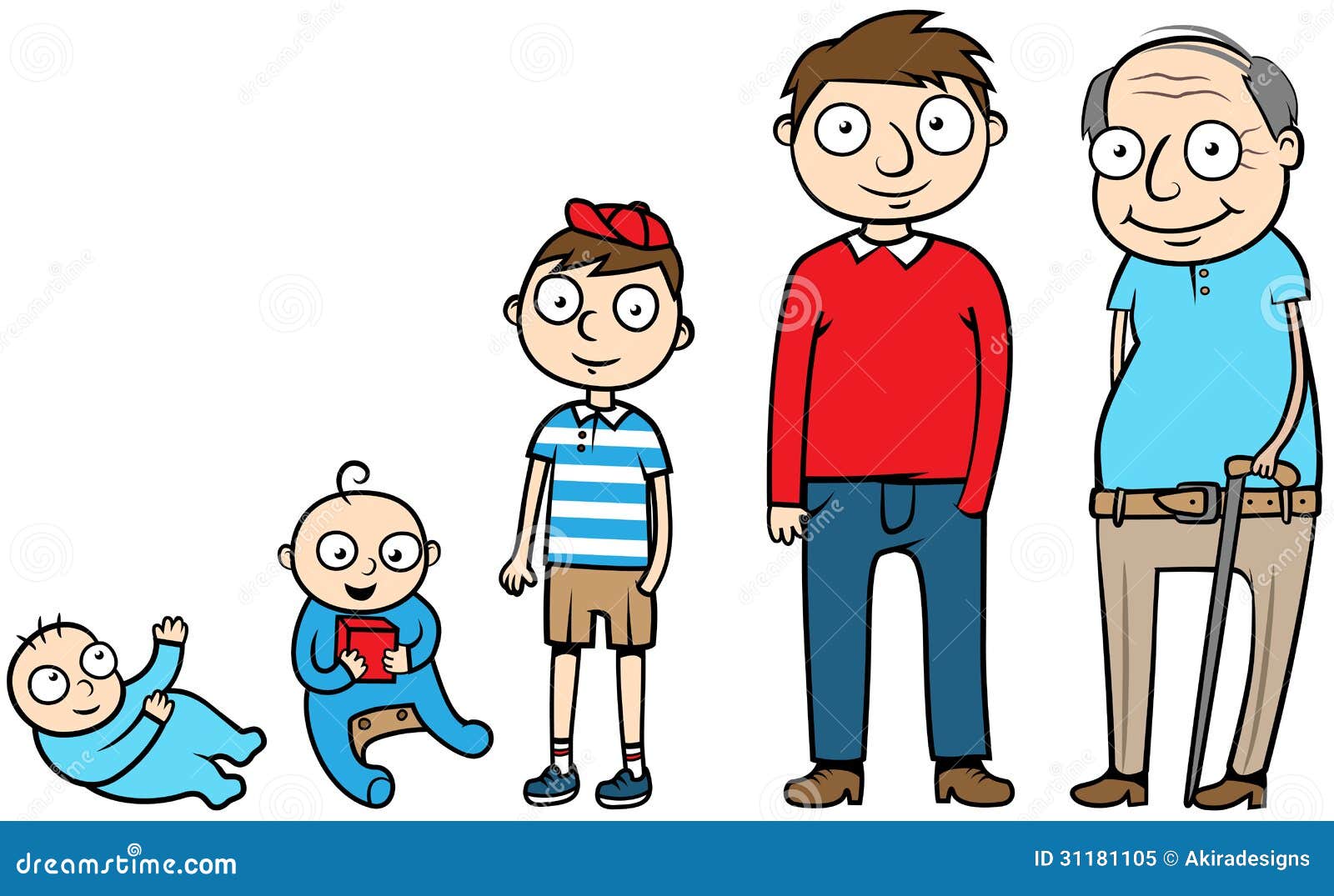
Stage 7: Middle Adulthood -- Age 40 to 65
Crisis: Generativity vs. Stagnation
Description: By "generativity" Erikson refers to the adult's ability to look outside oneself and care for others, through parenting, for instance. Erikson suggested that adults need children as much as children need adults, and that this stage reflects the need to create a living legacy.
Positive outcome: People can solve this crisis by having and nurturing children, or helping the next generation in other ways.
Negative outcome: If this crisis is not successfully resolved, the person will remain self-centered and experience stagnation later in life.
Stage 8: Late Adulthood -- Age 65 to death
Crisis: Integrity vs. Despair Important(Source: http://www.pccua.edu/keough/erikson%27s_stages_of_development.htm)
Description: Old age is a time for reflecting upon one's own life and its role in the big scheme of things, and seeing it filled with pleasure and satisfaction or disappointments and failures.
Positive outcome:If the adult has achieved a sense of fulfillment about life and a sense of unity within himself and with others, he will accept death with a sense of integrity. Just as the healthy child will not fear life, said Erikson, the healthy adult will not fear death.
Negative outcome: If not, the individual will despair and fear death

No comments:
Post a Comment